English



How to Choose the Right Signage & flex Partner for Your Business
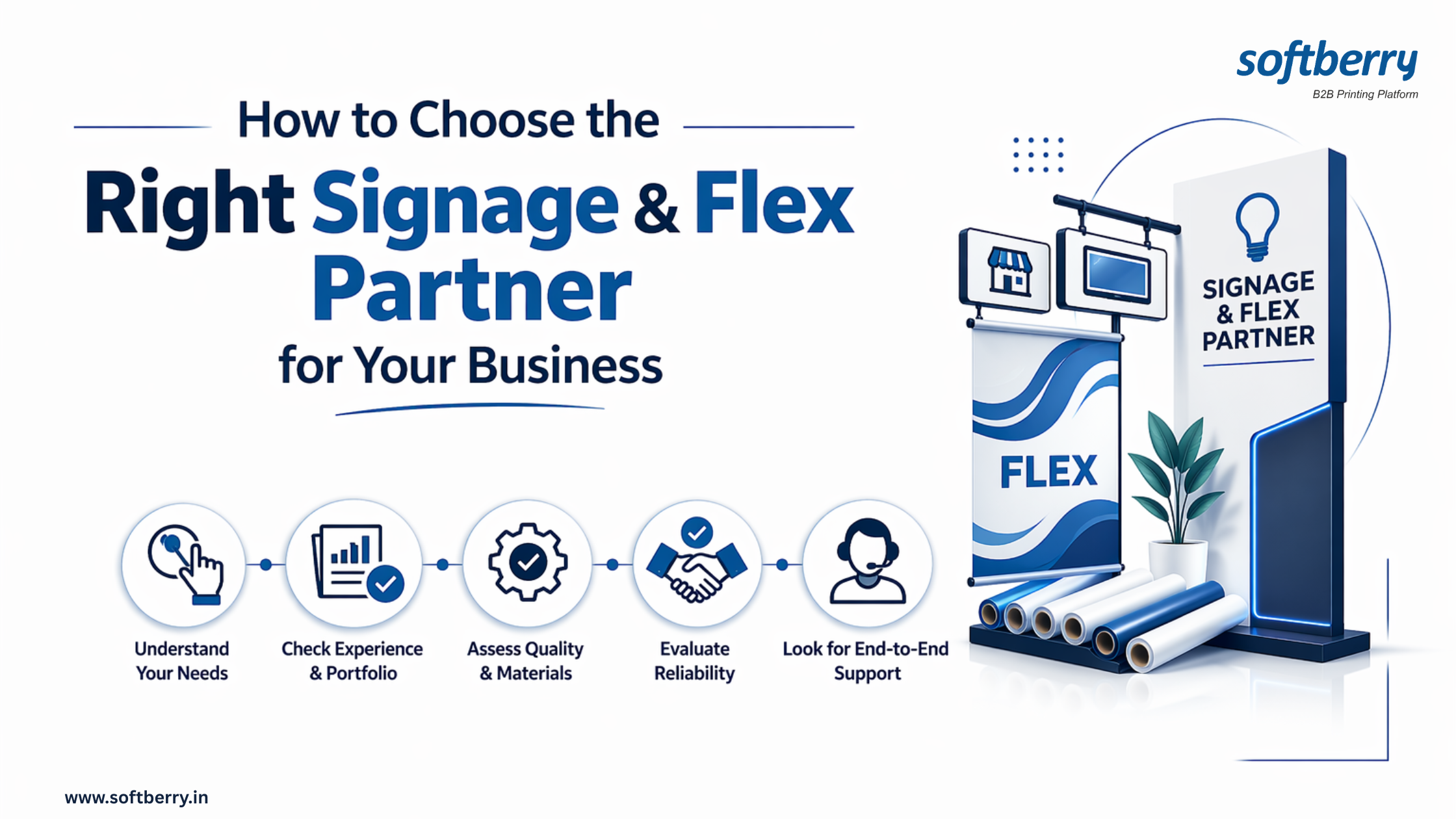
Choosing the right signage partner is a critical decision for any business that wants to improve visibility, attract customers, and build a strong brand presence. In today’s competitive market, signage is not just a display tool but a long-term branding asset that works 24/7 as a silent salesperson.
A well-executed signage strategy can increase footfall and trust, while a poor choice of signage partner can lead to weak branding, low durability, and wasted investment. For enterprises and MSMEs, especially those aiming for consistent growth, selecting a reliable signage partner becomes essential.
Why a Signage Partner Matters in B2B Procurement
In many organizations, signage is still treated as a one-time purchase, but in reality, it plays a major role in long-term branding and customer acquisition. A professional Outdoor signage partner ensures consistency across locations, improves visibility, and delivers durable solutions that strengthen brand identity over time.
Poor vendor selection can lead to delays, inconsistent output, and increased operational costs. This is why businesses need a strategic approach when selecting a signage partner to reduce procurement risks and ensure high-quality execution.
Define Your Business Requirements Clearly
Before choosing a signage partner, it is important to clearly understand your requirements. Different businesses need different types of signage solutions depending on their industry and objectives:
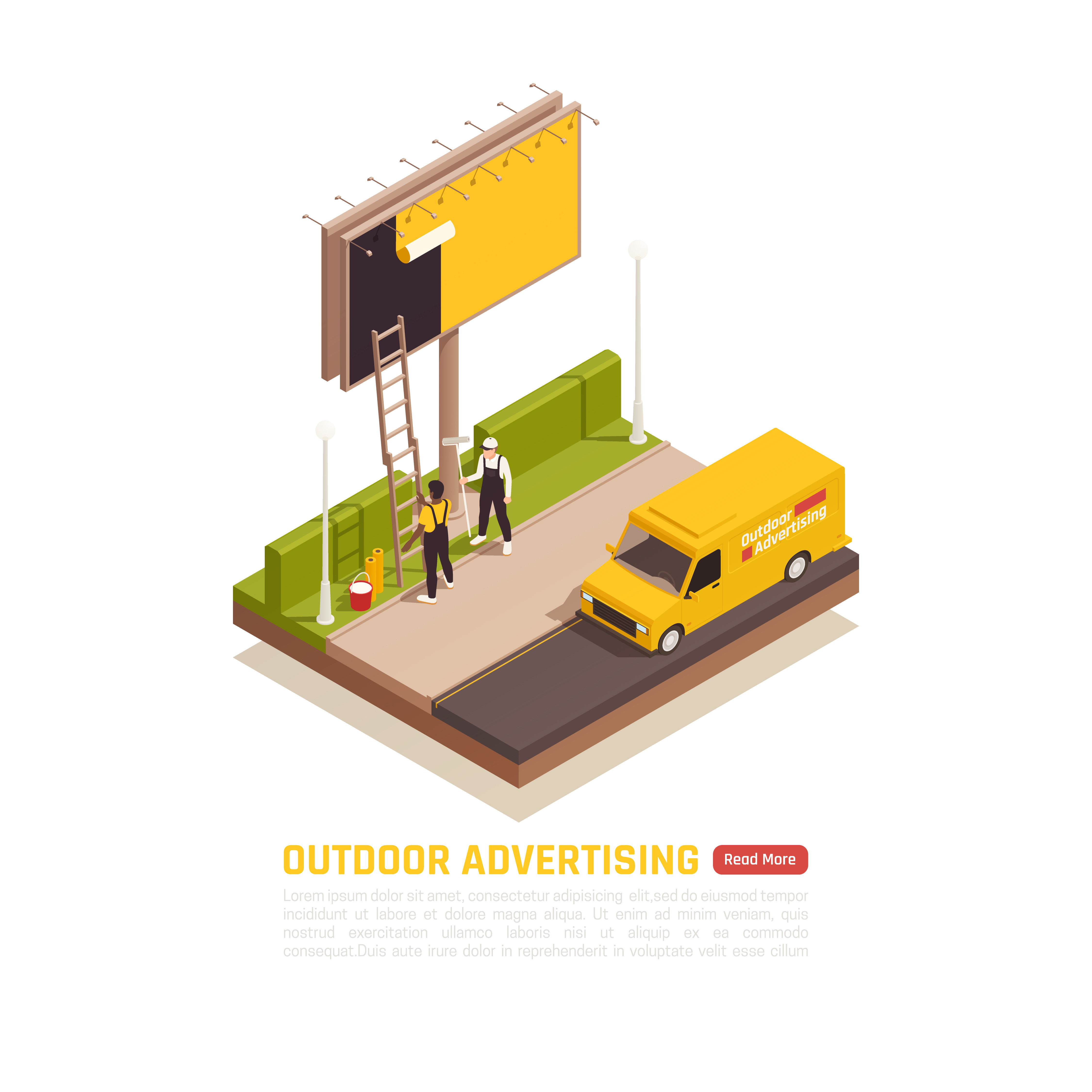
Outdoor Signage: LED boards, 3D signage, and hoardings for high visibility.
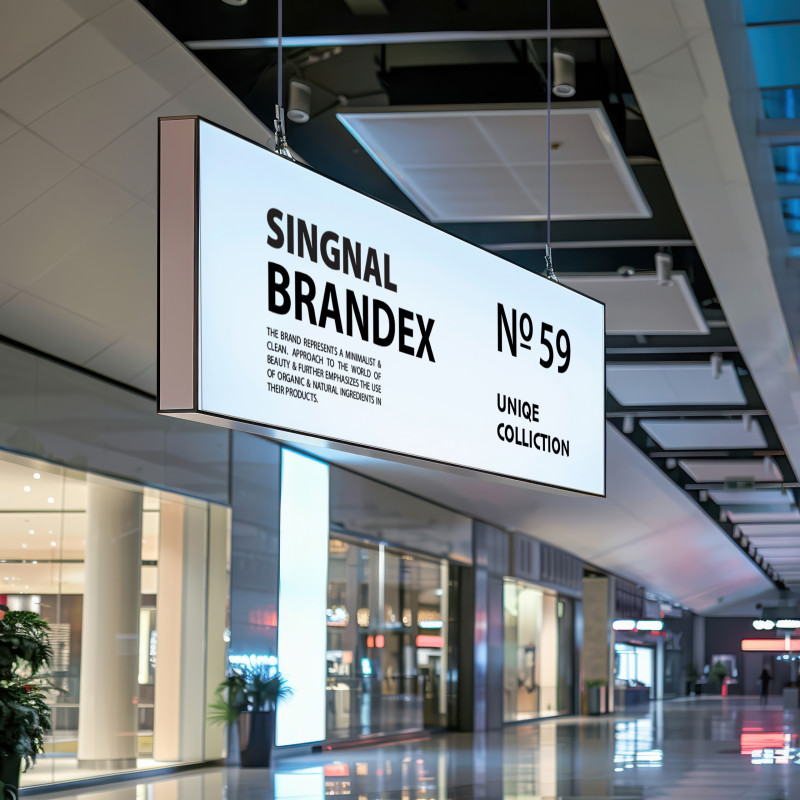
Indoor Signage: Wayfinding systems and wall graphics to improve customer experience.
Promotional Signage: Flex banners and event branding for short-term marketing.
Vehicle Branding: Supports mobile advertising and brand reach.
Evaluate Portfolio and Quality Standards
A strong portfolio reflects experience, but quality evaluation should go beyond just looking at recent work. It is important to check long-term durability by reviewing projects completed two to three years ago. This helps you understand how well the signage has performed over time. A professional signage partner should have expertise in working with durable materials such as:
ACM Panels
Acrylic Sheets
Stainless Steel
High-quality Vinyl
Importance of In-House Production
One of the key factors in selecting a signage partner is whether they have in-house production capabilities. Many vendors outsource fabrication, which can lead to delays, inconsistent quality, and higher costs. In-house production ensures better quality control, faster turnaround time, and improved cost efficiency. Businesses benefit from direct communication and reduced dependency on third parties.
Technology and Capability Assessment
Modern signage solutions require advanced technology for precision and durability. A reliable signage partner should be equipped with:
Large-format printing machines
CNC cutting tools
Laser engraving systems
Energy-efficient LED modules
A technological assessment ensures that the vendor can provide modern, future-ready signage solutions that stand out in the market.
Industry-wise Signage Examples
Signage for Manufacturing: Focuses on safety, compliance, and durability. Includes hazard signs, directional boards, and weather-resistant outdoor branding to maintain operational efficiency.
Signage for Real Estate: Focuses on attracting buyers and investors. Includes high-impact project hoardings, site branding, and premium entrance signage to improve visibility and lead generation.
Conclusion
Choosing the right signage partner is a strategic decision that directly impacts brand visibility, customer engagement, and business growth. It is not just about selecting a vendor but about finding a long-term partner who understands your business goals and delivers consistent quality. Factors such as experience, technology, materials, and execution quality all play a critical role in making the right choice for scaling your branding efficiently.
FAQs
1. What is a signage partner? A signage partner is a professional company that designs, manufactures, and installs signage solutions to improve business visibility and branding.
2. Why is choosing the right signage partner important? It ensures quality branding, durability, and compliance, which directly impacts customer trust and business growth.
3. What types of signage are available? There are several types of signage available, including:
Indoor and Outdoor Signage
LED and Digital Signage
Directional and Wayfinding Signage
Safety and Statutory Signage
4. Why is signage important for business? Signage increases brand visibility, attracts potential customers, provides necessary directions, and creates a professional business image.
5. How long does signage last? The lifespan depends on the material and environment:
Indoor signage: 5–7 years.
Outdoor signage: 3–5 years.
LED signage: 5–10 years (with proper maintenance).
Recent Posts





Ordering with Softberry is simple and effortless-

Subscribe to our newsletter for regular updates about Offers, Coupons & more
Mobile Apps