
 English

- Packaging & Labels
- Packaging Box
- Mono Carton Box
- Corrugated Box
- Sleeve for Box
- Giftbox
- Labels
- Roll Labels
- Sheet Label
- Kraft Labels
- Custom Tape
- Custom Packing Tap
- Custom Security Tape
- Silicon Tape
- Packaging Pouches
- Paper Standee Pouches
- Kraft Standee Pouches
- Packaging Accessories
- Tags
- Thank You Cards
- Door Hangers
- Packing bag





Why Brand Promotion Display Services Drive Foot Traffic
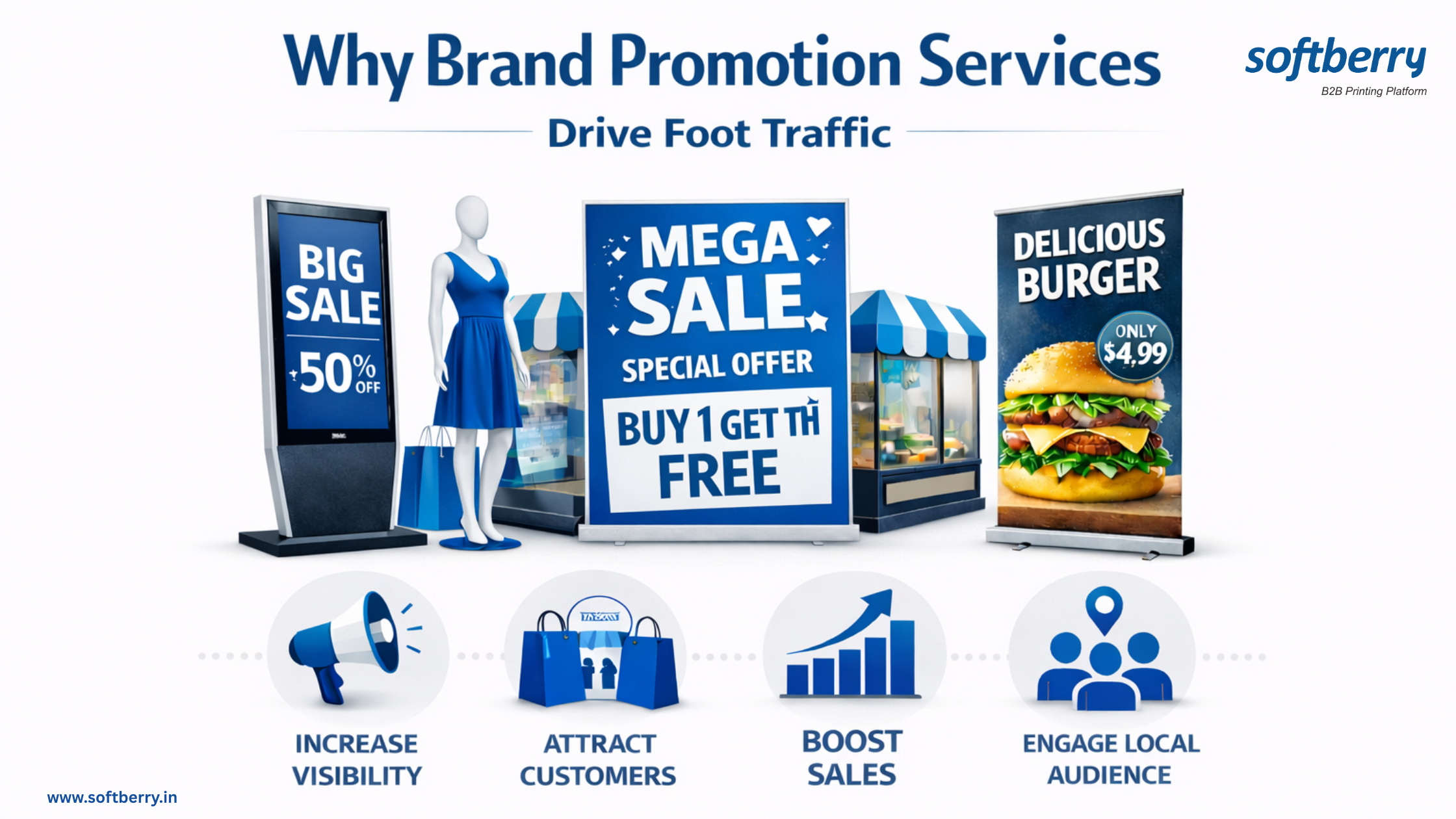
In today’s digital-first world, consumers are constantly exposed to ads on platforms like Instagram and TikTok, which has led to significant screen fatigue.
Users are now more likely to skip or ignore digital advertisements. However, physical brand promotion display services continue to capture attention effectively in real-world environments. When people walk through a shopping mall or high street, a visually striking display can instantly grab their attention and encourage them to step inside a store, making it a powerful driver of foot traffic.
1. The Psychology of Visual Merchandising
Visual Attention & Human Behavior
Humans process visuals much faster than text, making brand promotion display marketing extremely effective. In crowded environments, customers often move on autopilot, focusing only on their destination rather than exploring stores. A strong brand promotion display helps break this behavior by instantly capturing attention through visuals, design, and movement.
Pattern Interrupt Effect
A well-designed display breaks this autopilot behavior by acting as a “pattern interrupt.” Using bold colors, lighting, motion, or unique structures, displays force customers to pause and notice the brand.
Emotional Connection
Displays that use storytelling, themes, and ambiance create emotional engagement. Whether it’s warm lighting for lifestyle products or vibrant visuals for tech items, emotional triggers increase the likelihood of store entry.
2. What Are Brand Promotion Display Services?
Brand promotion display services are a strategic approach to physical marketing that focuses on creating visually appealing and high-impact displays to attract customers.
Key Components
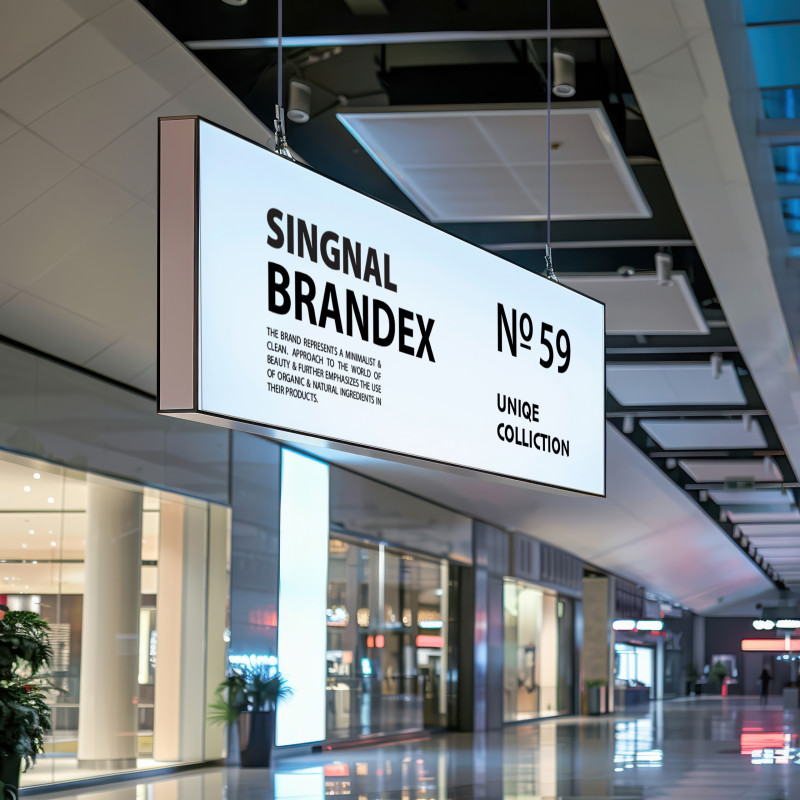
These services include point-of-purchase displays, window displays, interactive kiosks, LED Display Stands, digital signage, and gondola displays. Each element is designed to improve visibility, enhance branding, and influence purchasing decisions.
3. Bridging Online and Offline Experiences
Phygital Shopping Trend (Detailed Explanation)
Modern consumers are no longer limited to either offline or online shopping; they expect a connected, seamless experience. This is why phygital shopping has emerged as a powerful retail trend. In this approach, brands integrate their physical stores with digital signage and other digital touchpoints, creating a smooth and interactive customer journey.
For example, a customer may see a product in-store but use their smartphone to check features, read reviews, or compare prices. If the brand has implemented digital integrations such as QR codes, mobile apps, or augmented reality effectively, the customer can make a quick and informed decision without friction.
This not only enhances engagement but also significantly improves conversion rates.
QR Code Integration (Expanded)
QR codes have become an essential part of modern retail displays. They are not just simple codes; they act as a bridge between offline and online experiences.
By scanning a QR code, customers can:
Instantly access product pages
View special offers, discount coupons, or limited-time deals
Connect to sign-up forms, feedback pages, or even WhatsApp chats
The biggest advantage is that brands can stay connected with customers even beyond the physical store. In other words, a simple display can turn into a powerful tool for lead generation and sales.
Social Media Amplification (Expanded)
If a display is visually appealing and unique, customers naturally feel encouraged to capture photos or videos and share them on social media, especially on platforms like Instagram.
This leads to:
Creation of user-generated content (UGC)
Free organic reach for the brand
A strong sense of FOMO (Fear of Missing Out), motivating others to visit
For instance, if a mall features a creative 3D signage or an interactive display, people are likely to take pictures with it. When these posts gain traction online, they attract more visitors, ultimately increasing foot traffic to the store.
4. Technology in Modern Display Services
Advanced Display Solutions
Modern advanced display solutions are next-generation visual systems used in stores, malls, and brand outlets to attract and engage customers more effectively than traditional posters or banners. These displays use technologies like transparent LED screens and digital signage to create highly immersive brand awareness experiences.
5. Building Brand Trust and Authority
Professional Presentation
High-quality displays build instant credibility because customers often judge a brand within a few seconds of seeing it. If the display looks clean, modern, and well-designed, people assume the products and services inside the store are also high quality. This creates trust even before a customer interacts with the brand directly.
Customer Perception
When customers see an attractive, organized, and visually appealing display, they naturally feel more confident and comfortable about entering the store. It reduces hesitation and builds a sense of reliability. On the other hand, a poorly designed or outdated display can create doubt and push customers away.
Conclusion
Brand promotion display services are a powerful way to increase foot traffic in today’s market. They attract customers by using visual psychology, technology, and strategic placement. While digital ads are often ignored by users, physical displays provide a real and engaging experience. In today’s time, stores are no longer just places for shopping; they have become experience centers, and displays play the most important role in this transformation.
(FAQs)
What is the main benefit of brand promotion display services?
The primary benefit is increased visibility. These displays capture attention in crowded environments and encourage customers to enter the store, ultimately boosting foot traffic and sales.
How often should promotional displays be updated?
It is recommended to update displays every 6 to 8 weeks to keep the store visually fresh and aligned with seasonal trends or new product launches.
Are digital displays better than static displays?
Both have their advantages. Digital displays are dynamic and engaging, while static displays are cost-effective and visually artistic. A combination of both works best.
Can small businesses use display services effectively?
Yes, many display service providers offer scalable solutions suitable for small businesses. Even simple, well-designed displays can significantly improve foot traffic.
What industries benefit the most from display services?
Retail stores, malls, electronics brands, fashion outlets, hospitals, Education Technology, real estate showrooms, and food & beverage businesses benefit greatly from effective display marketing.
Recent Posts
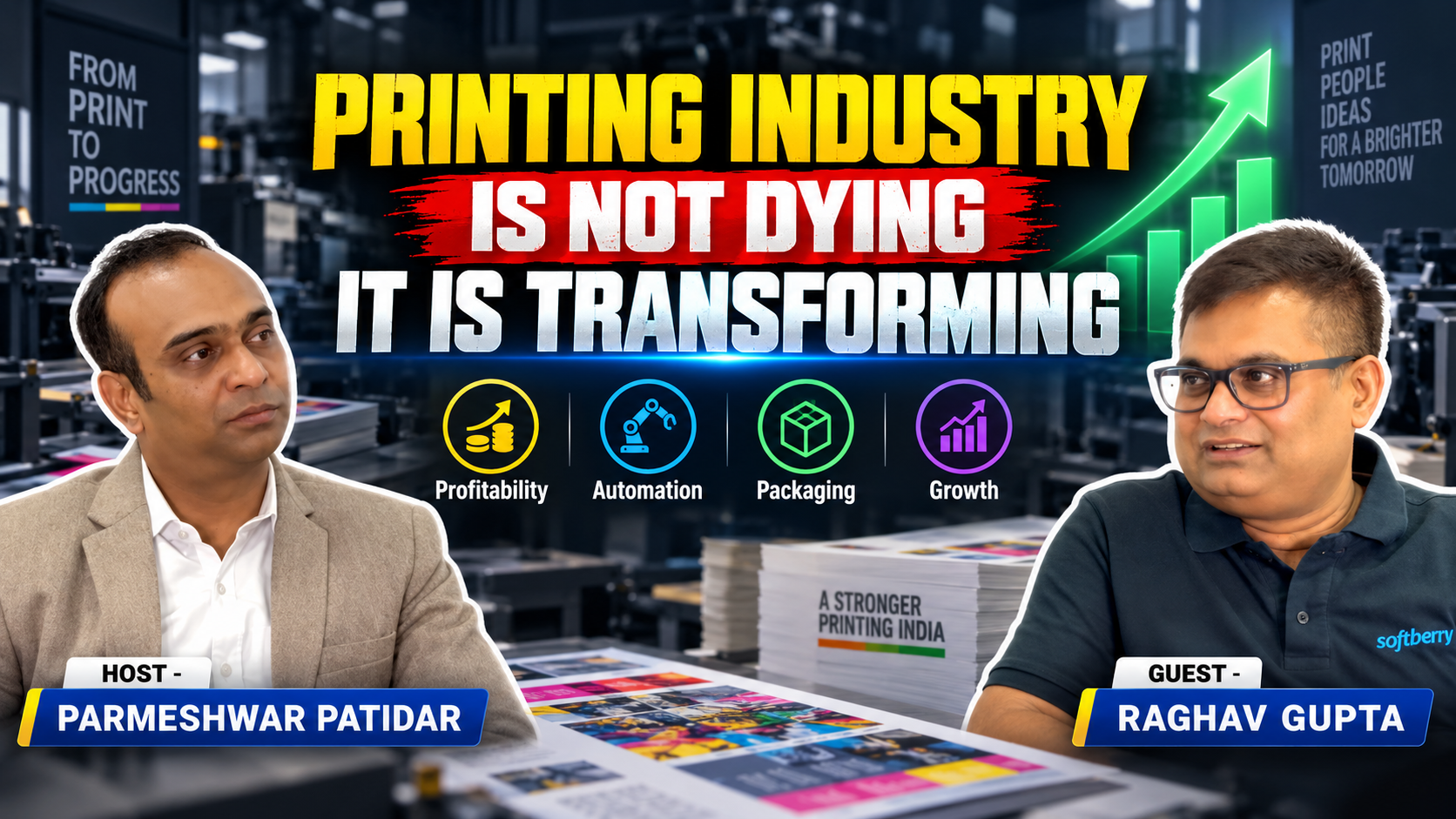
Why Indian Printing Needs a New Business Model | Raghav Gupta (Softberry) & Parmeshwar Patidar
How to Grow Your Small Business with Signage & Flex Services During Diwali 2026
The Ultimate Guide to Signage & Flex Services in 2026: Mastering Visibility and Growth

Ordering with Softberry is simple and effortless-


