 English

- Packaging & Labels
- Packaging Box
- Mono Carton Box
- Corrugated Box
- Sleeve for Box
- Giftbox
- Labels
- Roll Labels
- Sheet Label
- Kraft Labels
- Custom Tape
- Custom Packing Tap
- Custom Security Tape
- Silicon Tape
- Packaging Pouches
- Paper Standee Pouches
- Kraft Standee Pouches
- Packaging Accessories
- Tags
- Thank You Cards
- Door Hangers
- Packing bag





The Ultimate Guide to Signage & Flex Services in 2026: Mastering Visibility and Growth
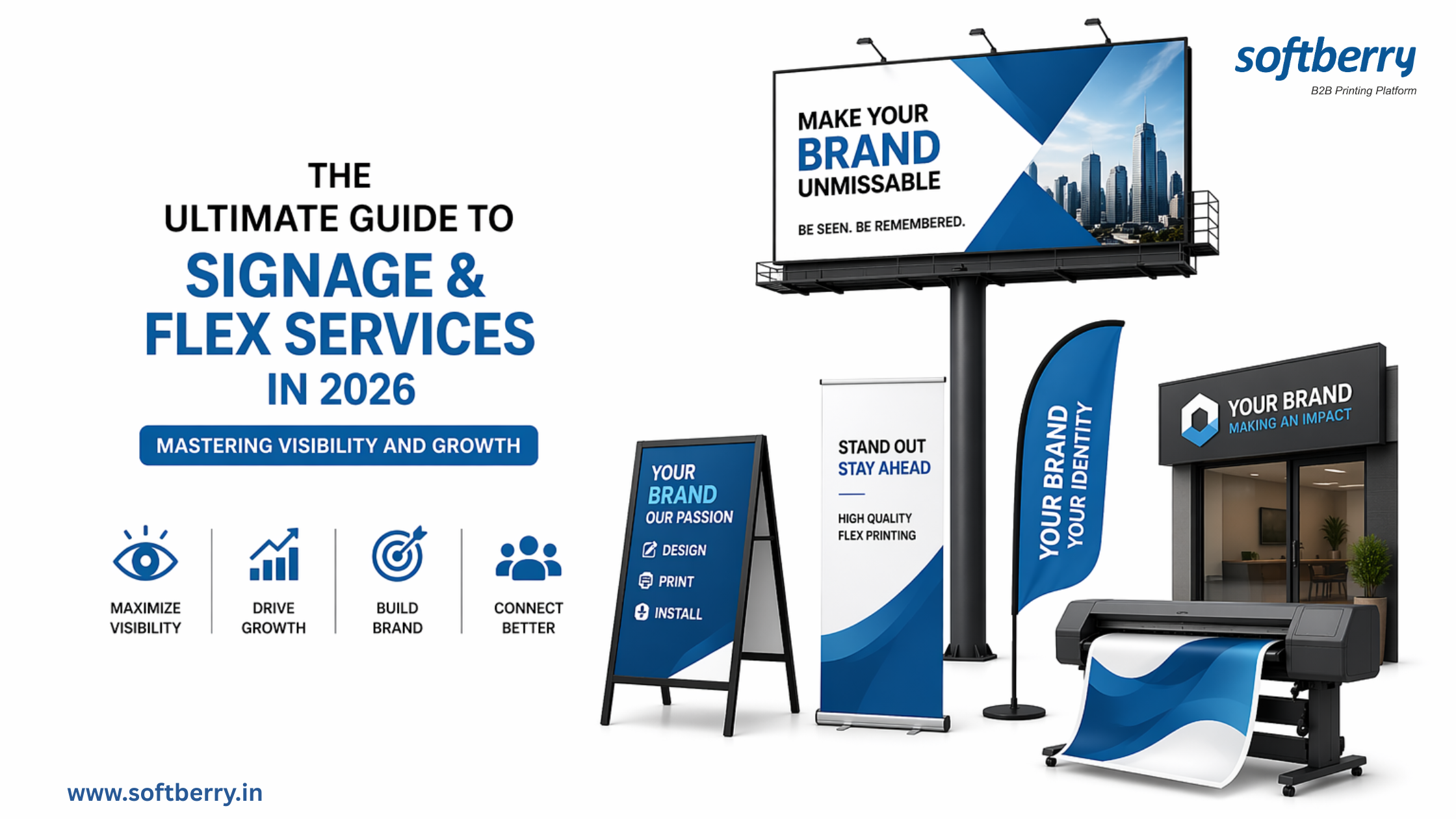
In a world where the average consumer is bombarded with over 5,000 advertisements per day, standing out is no longer optional; it is survival. In 2026, the signage industry has evolved into a powerful combination of physical branding + digital intelligence + sustainable materials, making it one of the most important marketing channels for businesses worldwide.
Whether you are a local startup, retail shop, corporate brand, or global enterprise, understanding Signage & Flex Services in 2026 is essential to improve visibility, customer engagement, and conversions.
1. The State of Signage & Flex Services in 2026
The modern signage industry is no longer limited to basic boards or printed banners. It now integrates design psychology, advanced materials, AI-driven personalization, and sustainability principles. Today’s signage is not just communication; it is:
1. Brand Identity System In 2026, signage works as a complete brand identity system. It uses consistent logos, colors, fonts, and design styles so that people can instantly recognize a brand from a distance. Every flex board or banner strengthens brand recall and builds a strong visual identity in the customer’s mind.
2. Customer Attention Engine Modern signage is designed to grab attention within seconds. With bold headlines, minimal text, high-contrast visuals, and smart placement, it works like a visual magnet. Its main purpose is to stop people, make them look, and create instant curiosity in a crowded environment.
3. Real-World Marketing Funnel Signage is no longer just awareness-based advertising; it actively drives customer action. It first attracts attention, then builds interest through messages or offers, and finally encourages action through QR codes, contact details, or store visits. This turns physical signage into a direct offline-to-online conversion system.
4. Sensory Experience Tool Modern signage creates an emotional and sensory experience rather than just delivering information. Large visuals, lighting effects, premium materials, and interactive elements influence how people feel about a brand. It helps businesses create a strong emotional connection with customers, not just visibility.
2. Phygital Signage Revolution (Physical + Digital Integration)
In 2026, the biggest transformation is the rise of Phygital Signage, where physical boards and digital screens work together through smart technical integration. Businesses now focus on the Experience Economy, where signage:
1. Mobile Synchronization & Geofencing Modern signage connects with smartphones via Bluetooth or GPS. When a customer is near your board, it can trigger a personalized notification or discount, merging physical presence with digital reach.
2. Dynamic Content Updates via Cloud Using IoT-enabled systems, businesses can change the messaging on their boards instantly across multiple locations without reprinting, allowing for real-time offers and dynamic branding updates.
3. Augmented Reality (AR) Interactivity Customers can scan a 3D architectural sign or flex banner to see a 3D product demo or an interactive map on their phone, turning a static board into an immersive experience.
4. Collects User Interaction Data. With smart integrations like QR codes and sensors, signage can now track user behavior. Businesses can see how many people scanned or interacted, turning traditional flex boards into measurable marketing tools.
3. Why Signage Still Matters in 2026
Despite AI ads, AR, and VR marketing, physical signage still dominates real-world conversions. The Sidewalk Test Rule: If a customer walking past your store does not notice your signage within 1.5 seconds, your branding fails. Modern brands are shifting toward:
1. Bold typography. Bold typography means using strong, large, and clear fonts that can be read instantly from a distance. In signage, it helps the message stand out even in crowded or fast-moving environments. It reduces confusion and ensures people understand the core idea in just a few seconds.
2. Dimensional Designs Dimensional designs add depth and a 3D effect to signage, making it look more realistic and premium. Instead of flat visuals, elements appear layered or raised, which naturally attracts more attention. This style improves visibility and gives the brand a modern, high-impact look.
3. Texture-Based Branding Texture-based branding uses physical or visual surface effects like matte, gloss, metallic, or rough finishes. These textures make signage feel more premium and engaging. It helps brands stand out by creating a tactile impression that people can almost feel visually.
4. Humanized Visual Storytelling Humanized visual storytelling focuses on using real-life emotions, people, and relatable scenes in signage design. Instead of just selling a product, it tells a story that connects with human feelings and experiences. This makes the brand more relatable, trustworthy, and memorable.
4. Key Trends Dominating Signage & Flex Industry in 2026
The signage industry is evolving rapidly with technology and sustainability.
A. Dimensional & Tactile Branding (3D Signage Boom) Flat designs are now outdated. The market is dominated by 3D and tactile signage. Popular trends:
RGB LED Channel Letters: RGB LED channel letters are illuminated 3D letters that can change colors and lighting effects. They make signage highly visible both day and night.
Wood-Texture Lobby Signs: Wood-texture lobby signs use natural or wood-finish materials to create a warm, premium, and organic feel. These are mostly used in reception or indoor branding spaces.
Metal Brushed Dimensional Logos: Metal brushed dimensional logos are made from materials like stainless steel or aluminum with a brushed finish and raised 3D structure. They look strong, durable, and highly professional.
Stone-Finish Signage Boards: Stone-finish signage boards use textures that resemble marble, granite, or natural stone. They give a luxurious and timeless appearance.
Why It Works
Increases physical engagement: These materials and designs make people stop, look closely, and interact visually with the signage instead of ignoring it.
Improves memory retention: Unique textures, lighting, and 3D effects stay longer in the human brain compared to flat designs, making the brand more memorable.
Enhances premium brand perception: High-quality materials and finishes make the brand look more valuable, trustworthy, and professional in the eyes of customers.
B. Hyper-Personalized AI & IoT Digital Signage Digital signage is no longer static content looping on screens. In 2026, AI-powered systems can:
Track Audience Attention: Modern smart signage can track how many people are looking at the display and how long they engage with it.
Adjust Content in Real Time: Digital flex and smart displays can change their content instantly based on conditions.
Use Weather-Based Triggers: Smart signage can automatically change content based on weather conditions.
Integrate with POS Systems: Modern signage can be connected with Point of Sale (POS) systems, allowing real-time syncing of offers, pricing, and inventory.
Example A smart digital flex display works like an intelligent marketing system:
When it is cold → it shows hot coffee ads
When it rains → it promotes umbrellas or raincoats
When the audience changes → it updates content based on demographics (age, gender, behavior)
C. Zero-Waste & Eco-Friendly Flex Printing Sustainability is now a core requirement in signage procurement. Modern eco-friendly materials include:
Biodegradable Flex Sheets (Cornstarch-Based): These flex sheets are made from natural materials like cornstarch, which break down naturally over time without harming the environment.
Algae-Based Inks: Algae-based inks are produced from natural algae instead of petroleum chemicals. They are eco-friendly, non-toxic, and safer for both humans and the environment.
PVC-Free Printing Materials: PVC-free materials eliminate harmful plastic compounds commonly used in traditional flex printing. These alternatives are safer and more recyclable.
Stone Paper Signage Solutions: Stone paper is made from crushed stone and a small amount of resin, creating a durable and waterproof material without using wood pulp.
Benefits
Lower environmental impact: These materials reduce pollution, plastic waste, and resource consumption, making signage more eco-friendly.
Compliance with green regulations: Many governments now require eco-friendly practices. Using sustainable signage materials helps businesses meet environmental laws.
Strong brand reputation boost: Brands that adopt green materials are seen as responsible and forward-thinking, which improves customer trust.
5. Understanding Flex Printing Technology in 2026
In 2026, flex printing technology has become far more advanced, durable, and specialized.
Frontlit Flex – Standard Billboard Signage: Frontlit flex is the most commonly used material for outdoor advertising. It is designed to be illuminated from the front using natural light or external lights.
Backlit Flex – Used in Illuminated Glow Boxes: Backlit flex is specially designed for light to pass through it from behind. It is used in glow signboards and lightboxes.
Blackout Flex – Prevents Light Penetration: Blackout flex has a special opaque layer that blocks light from passing through it. This makes it perfect for double-sided printing.
Mesh Flex – Wind-Resistant Building Wraps: Mesh flex is designed with tiny perforations that allow air to pass through it. This makes it highly wind-resistant and suitable for large building wraps.
Modern Printing Technologies: Traditional solvent printing is being replaced. Now widely used technologies:
UV Printing: UV printing uses ultraviolet light to instantly cure or dry the ink. Instant drying means no waiting time, scratch-resistant output, and high durability for outdoor branding.
Latex Printing: Latex printing uses water-based, eco-friendly inks. Safe for indoor environments makes it ideal for offices, malls, hospitals, and retail spaces.
6. How to Choose the Right Signage & Flex Service Provider
Choosing the right signage vendor is critical for long-term branding success.
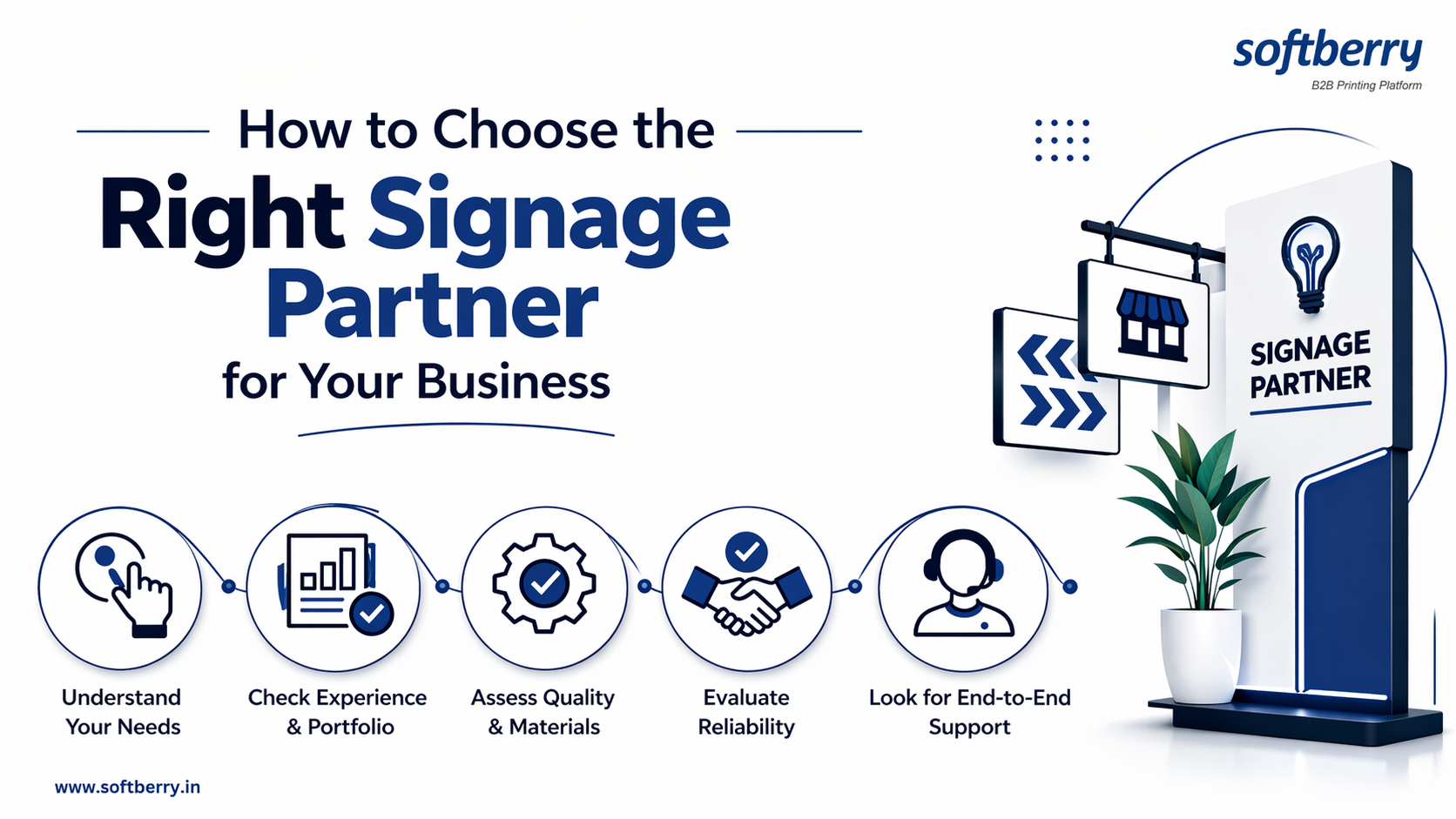
Key Evaluation Checklist: Before hiring a signage company, check:
Do they provide site survey services?
Do they analyze lighting & visibility conditions?
Do they use UV-resistant and eco-friendly inks?
Do they offer smart/digital/AR integration?
Do they have real project portfolios of 3D architectural signs?
Conclusion
The signage industry is no longer limited to simply printing boards or banners; it has evolved into a strategic branding ecosystem that combines AI-powered digital displays, eco-friendly printing solutions, 3D immersive branding, and data-driven customer engagement.
Modern signage is designed not just to display information but to interact with audiences, capture attention, and deliver personalized brand experiences. Businesses that invest in these advanced signage solutions benefit from higher visibility, stronger brand recall, increased customer engagement, and improved long-term marketing ROI.
FAQs
Q1. What is the most durable signage material in 2026?
Aluminum and polypropylene are the most durable due to weather resistance, corrosion protection, and long lifespan.
Q2. Is eco-friendly flex printing as good as traditional flex?
Yes, modern biodegradable and PVC-free materials provide the same vibrant colors and durability while being 100% sustainable.
Q3. Can digital signage be controlled remotely?
Yes. Most modern systems are cloud-based and can be updated from anywhere using mobile or desktop devices.
Q4. What are channel letters in signage?
Channel letters are 3D illuminated letters used on storefronts, often made from acrylic or metal with LED lighting.
Q5. What is the lifespan of digital signage?
High-quality digital signage can operate for over 50,000 hours depending on usage and maintenance.
Recent Posts
Why Indian Printing Needs a New Business Model | Raghav Gupta (Softberry) & Parmeshwar Patidar
How to Grow Your Small Business with Signage & Flex Services During Diwali 2026
The Ultimate Guide to Signage & Flex Services in 2026: Mastering Visibility and Growth
Ordering with Softberry is simple and effortless-


